
Every January the trend lists arrive and by summer most of them are quietly embarrassing. So this guide does something more useful for 2026: it sorts what is worth adopting from what deserves questioning and names what most businesses should ignore. The test throughout is commercial, not cosmetic: does this help a real customer understand you, trust you and get in touch?
- The things that decide whether a site works are unchanged: a clear offer, pages that work on phones and a route to act.
- The strongest current in 2026 is restraint: fewer elements, more whitespace and pages built around one job each.
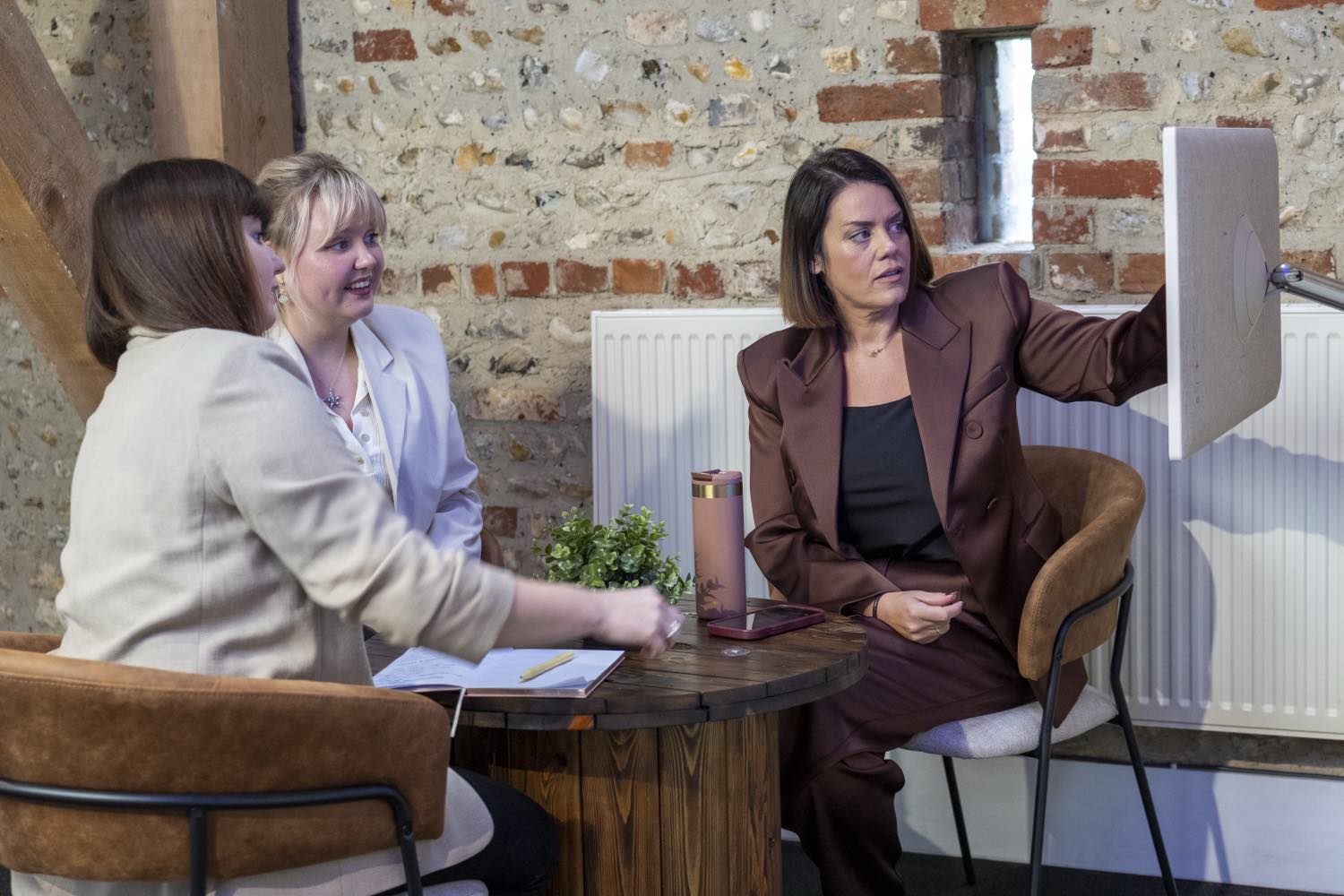
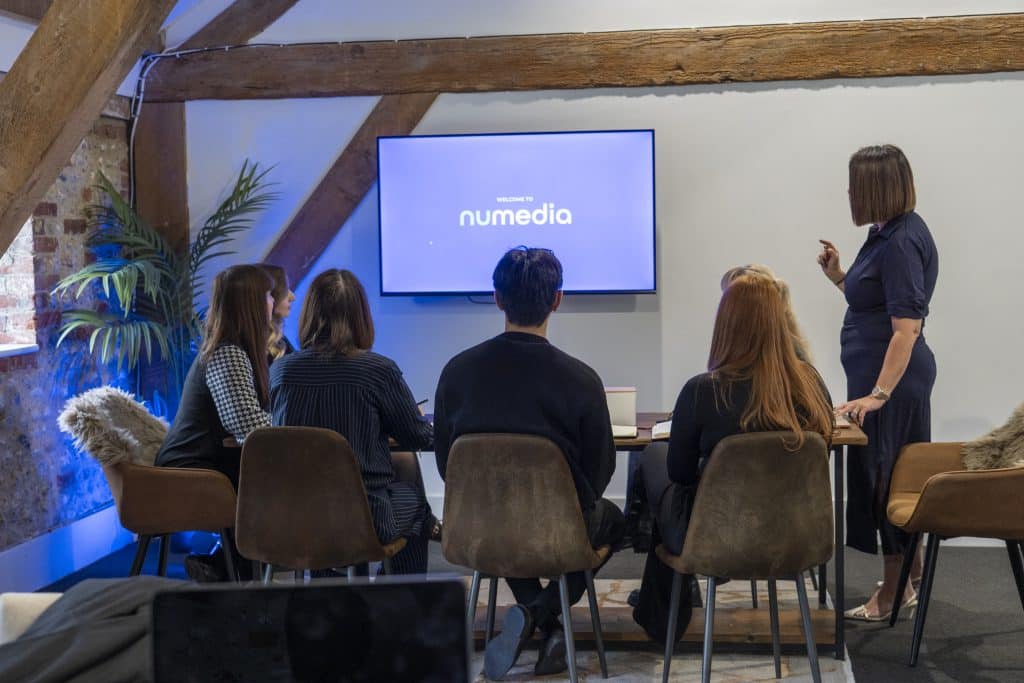
- Real photography and film of your team and work become more distinctive as generated imagery spreads.
- Treat personalisation, chat everywhere and dark-mode-everything as choices to question, not defaults.
The Foundations That Outlast Every Trend
Before any 2026 fashion, the things that decide whether a website works are unchanged: a clear offer a stranger can grasp in seconds, pages that work properly on phones as well as desktops, speed that does not test anyone’s patience, genuine evidence instead of decoration, content that answers real questions and an obvious route to enquire. A site that nails these while ignoring every trend below will outperform a fashionable site that misses them. That is not a trend, it is the floor.
Use: Restraint, Clarity and Fewer, Better Pages
The strongest current in 2026 design is restraint: fewer competing elements, more whitespace, typography doing the heavy lifting and pages built around one job each. This one is worth adopting because it is not really fashion, it is usability wearing this year’s clothes. If your site feels crowded next to this year’s cleanest sites, simplification is the upgrade with the best effort-to-result ratio.
Use Carefully: AI-assisted Design
AI helps in 2026: exploring layout directions quickly, producing variants, handling repetitive production work. What it does not do is know your customers, check your facts, protect your brand’s distinctiveness or take responsibility for the result. Our position is the honest one: AI for exploration and repetition, people for strategy, accuracy, distinction and final approval. Sites assembled entirely by generation tend to look like everyone else’s and sameness is the one thing a small business cannot afford.
Use with a Job in Mind: Motion and Animation
Motion earns its place when it does a job: guiding the eye through a hierarchy, demonstrating how something works or telling a story a static image cannot. It fails when it is decoration that hides content, delays the point or makes the page harder to use and it must always respect visitors who prefer reduced motion. If an animation cannot say what job it does, it is fashion, not function.
Use: Original Photography and Film
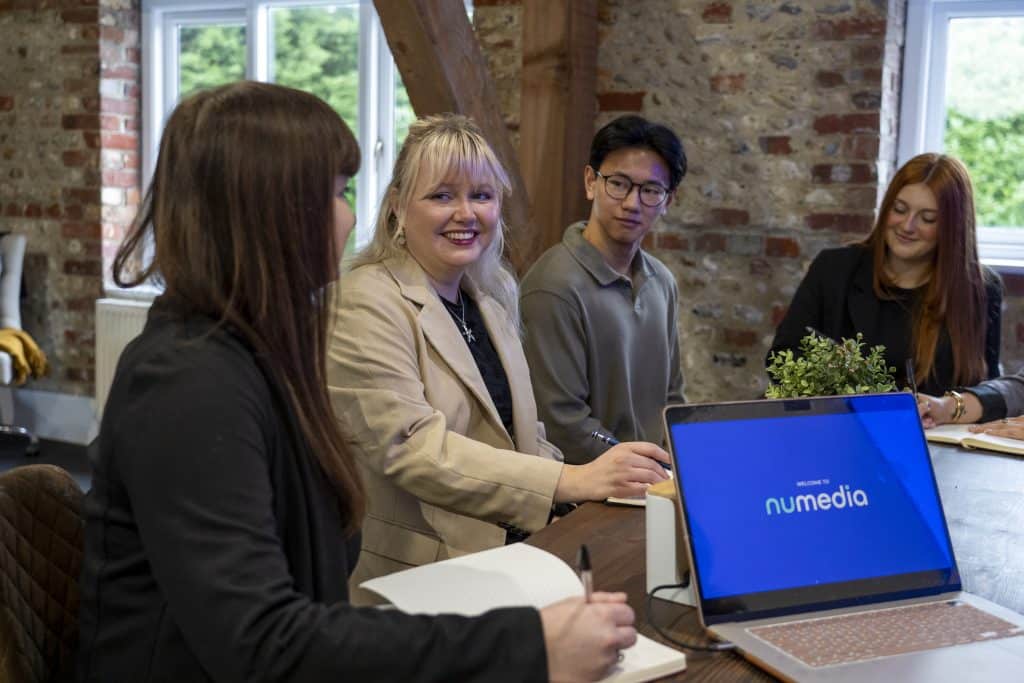
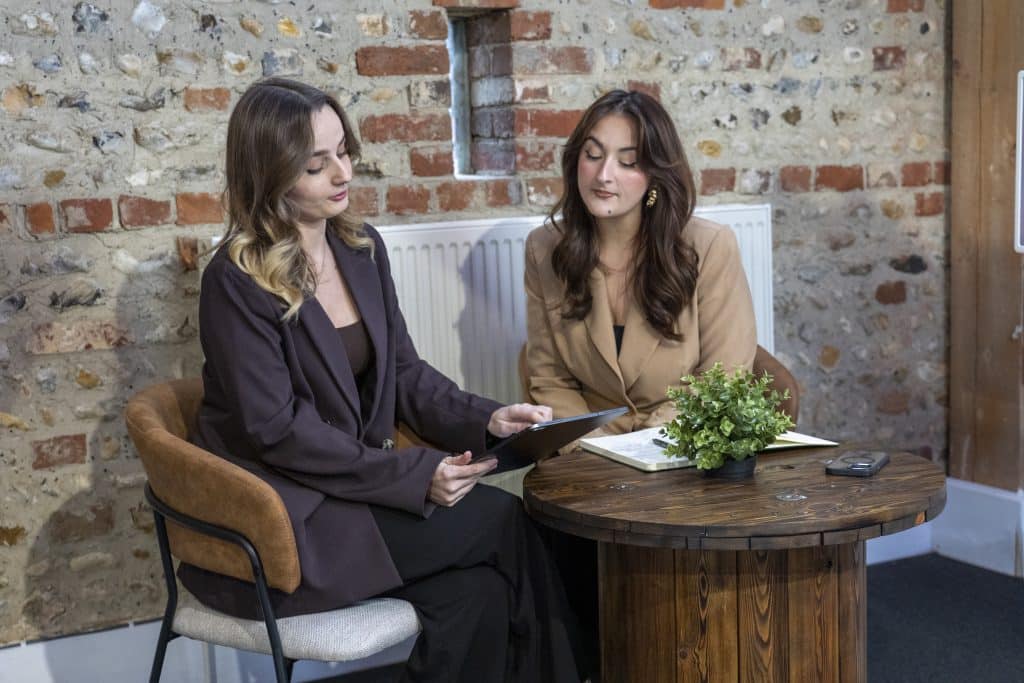
As generated imagery spreads, real photography and film of your actual team, premises and work become more distinctive, not less. Using generated imagery is not automatically a Google ranking penalty and platform rules and labelling vary and can change. The commercial point is differentiation: customers are trying to verify that you are real and good and only genuine imagery can document that. See our thinking on photography for business and film.
Use: Accessibility as Good Design
Readable contrast, sensible text sizes, keyboard-friendly navigation, labelled forms and alt text are being treated in 2026 as baseline craft rather than a specialist extra and that is exactly right: they make the site better for every visitor, not just some. We treat accessibility as good design practice; we do not make legal-compliance claims here, because compliance depends on standards and audits, not a trend list.
Use Where It Is Practical: Lighter, Faster, Less Wasteful Pages
The useful version of sustainable web design in 2026 is refreshingly concrete: lighter images and video, efficient delivery, fewer scripts and refusing page weight that serves nobody. Those choices happen to be the same ones that make pages faster and cheaper to run. We will not dress that up in vague environmental language: build lighter because it is better engineering and the rest follows.
Question: Personalisation, Chat Everywhere and Dark Mode Everything
Some 2026 staples deserve a harder look before adopting. Heavy personalisation needs data and consent overhead most local businesses do not need. Chat works when someone (or something honest about being AI) answers; an abandoned chat widget is worse than none. Dark mode is a preference worth supporting when resources allow, not a differentiator. None of these are wrong but none belong ahead of the foundations.
Ignore: The Trends We Would Advise Against
Our advice list for 2026 is short and blunt. Ignore intro animations that delay the content. Ignore novelty cursors and scroll-hijacking that take control away from the visitor. Ignore aesthetic-first rebuilds that change how the site looks without touching why it does not convert. Ignore AI-generated hero imagery pretending to be your team. And ignore any trend adopted because a competitor did it, rather than because it passes the only test that matters: does it help a customer understand, trust and contact you?
What to Do with This in 2026
Check the foundations first, honestly. Adopt restraint. Use AI where it saves time and people where it makes the difference. Give motion a job or cut it. Invest in imagery that proves you are real. Make the site lighter and easier for everyone. And if you want a straight answer on where your own site stands, request a free website review, read how we approach website design, SEO and AI or see the work.