Why Algorithms Now Reward Podcast Content
The platforms are all measuring the same thing now. Watch time. Completion rate. Saves. Return visits. These are the signals that push content to new audiences on YouTube, Spotify, LinkedIn, and Instagram. And they are signals that podcast content, filmed well, generates consistently.
A polished 90-second
brand video often fails here. It looks expensive and says very little. A well-filmed podcast clip of someone giving a genuinely useful answer to a question their customers actually ask holds attention in a completely different way. The algorithm rewards the things people genuinely want to watch. That tends to be people talking plainly about something they actually know, not a production performing.
Scroll through LinkedIn on any given morning, and you will notice this playing out. The posts that stop people are not the graphics with the stock photo and the motivational quote. They are the clips. Someone talking directly to the camera, mid-conversation, saying something specific and real. That content stops the scroll because it earns the attention rather than demanding it.
Why Podcasts Build Trust Faster Than Almost Anything Else
There is a reason the businesses getting the most traction from podcast content are service businesses. Estate agents, care providers, tradespeople, agencies. Industries where the buying decision comes down to trust.
A well-produced brochure tells people what you want them to know about your business. A podcast shows them who you are. When someone watches a 30-minute conversation with the owner of a business, they come away with a genuine sense of whether that person knows their work, is straightforward to deal with, and has values that match what the customer is looking for.
Written content cannot do that. A testimonial page cannot do that. A conversation can. The businesses filming podcast content now are building that trust at scale, with audiences they have never met, weeks and months after the recording date.
Content Multiplication
One of the most practical reasons to build a podcast content strategy is what happens after the recording session ends.
A single episode, filmed properly, produces far more than one piece of content. The full episode goes on YouTube and starts building watch time and authority. Short clips pulled from the conversation work across Instagram Reels, TikTok, and LinkedIn. A strong moment from the interview becomes a quote graphic. The transcript becomes a
blog post, a newsletter, or a set of social captions. A question the guest answered well becomes a standalone post with the clip attached.
From two hours of filming, a business can generate six to eight weeks of content across every platform it uses. For businesses that struggle with what to post and when, that is not a small thing. It is a content plan that never runs dry. It is genuinely varied material because it comes from a real conversation, not from a content calendar filled with templated post types.
The commercial value of that for a business paying for marketing support is significant. One investment. Months of output.
Why Long-Form Is Back
There is a broader shift happening that is worth naming directly. Long-form content is performing again. Not because audiences suddenly have more time, but because people have become more selective about what they give their attention to. If something is going to hold their attention for 40 minutes, it has to earn it. Podcast content earns its keep when the guest is genuinely knowledgeable, and the conversation is real.
Throughout 2026,
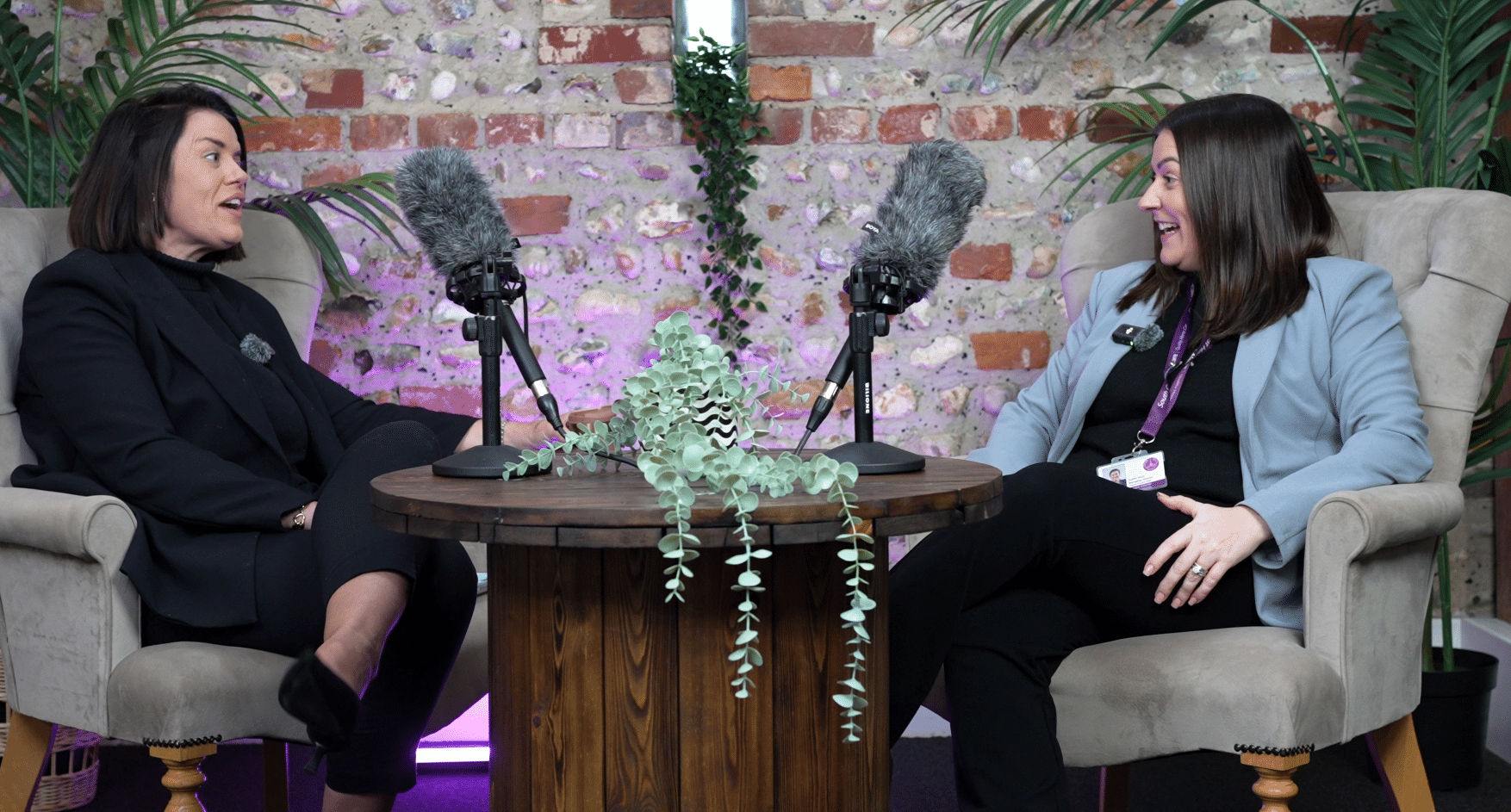
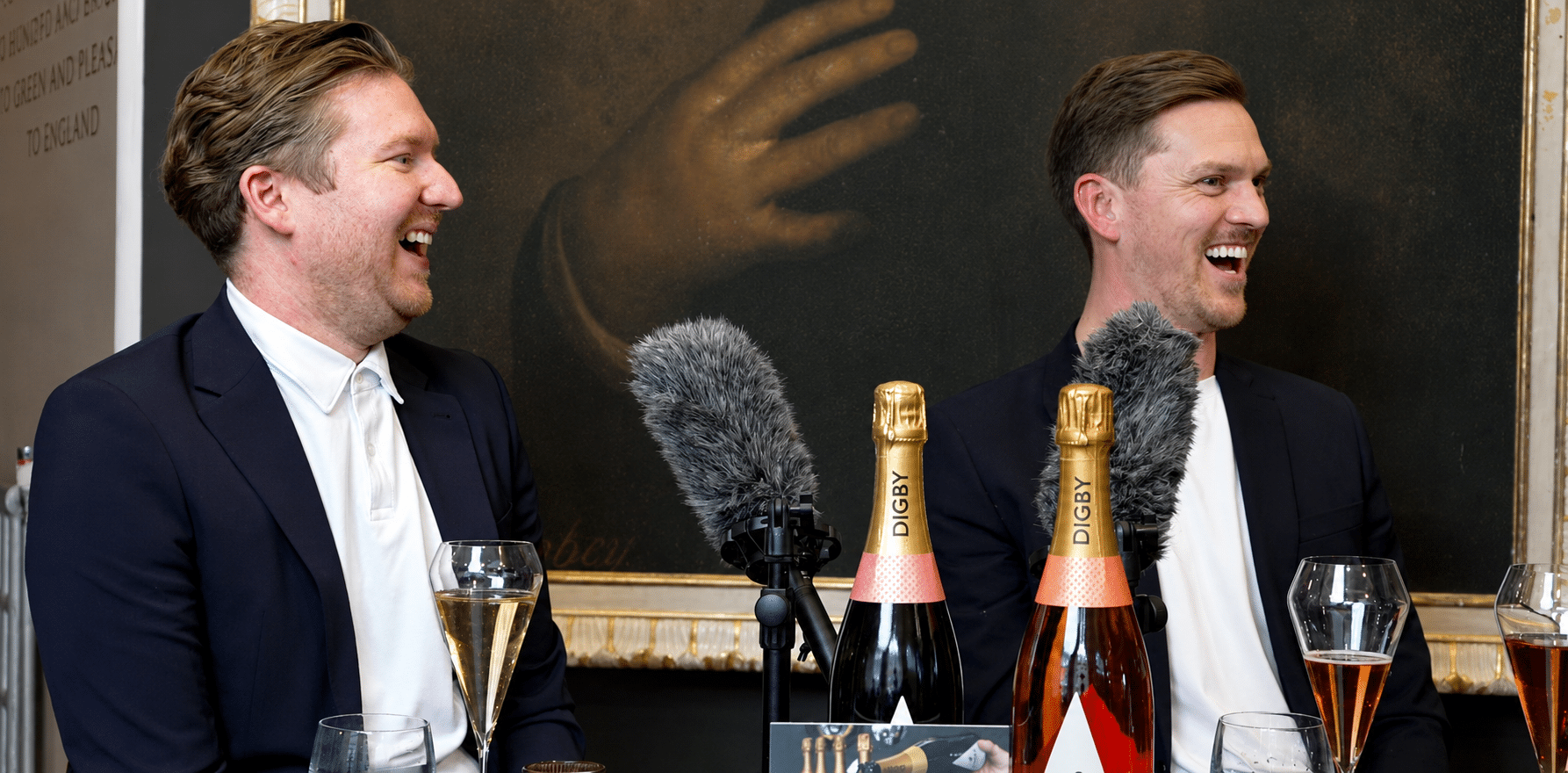
nu media group has been filming podcast content for clients. Real businesses, real conversations, filmed properly and turned into content that keeps working long after the session is over.
One session. Multiple clients. Content that continues to circulate weeks after publication.
Frequently Asked Questions
How many podcast episodes do you need before it starts working?
There is no magic number, but consistency matters more than quantity. Businesses that publish one well-filmed episode per month and repurpose it properly will outperform businesses that release six episodes at once and then go quiet. The algorithm rewards regular publishing. So does an audience.
Can a small business afford to film a podcast?
The cost of filming a podcast professionally is considerably lower than most businesses assume, especially when you factor in the volume of content a single session produces. Compared to commissioning six to eight separate pieces of content across the same period, a podcast session is often a better value. The real question is not whether you can afford it. It is whether you can afford to keep producing content without one.
Does a podcast need to be long to perform well?
Not necessarily. Some of the best-performing podcast content runs 20-40 minutes. What matters is that the content earns the time it asks for. A 20-minute episode where every answer is specific and useful will outperform a 60-minute episode where the guest repeats themselves. Length is a byproduct of having something genuinely worth saying.
What kind of businesses make the best podcast guests?
Business owners and senior team members who work closely with customers tend to perform best. They know the real questions customers ask. They have genuine opinions about how work should be done. They can talk about real projects without needing a script. That kind of authentic knowledge is what audiences respond to and what platforms reward with reach.
Do you need specialist equipment to start filming a podcast?
A professional setup makes a difference in the finished quality, and quality affects how content performs. Poor audio in particular will cause people to switch off within the first 30 seconds, regardless of how good the conversation is. Working with a team that handles the technical side, camera, lighting, audio, and editing, means the person being filmed can focus entirely on the conversation, which almost always produces better content.
Is video better than audio-only for podcast content?
For a business using a podcast as part of a broader content strategy, yes. Video gives you the clips for
social media, the visual content for YouTube, the thumbnails, and the behind-the-scenes material. Audio-only limits what you can repurpose. If the goal is to build a content engine from a single session, video is the right format.
Speak to nu media group
Want to build more trust with your audience. Want to turn one filming session into months of content.
Get in touch with the nu media group, and we will talk you through what a filming session looks like, what you get from it, and whether it is the right fit for your business.